8th Cohort of COFP Fellowship
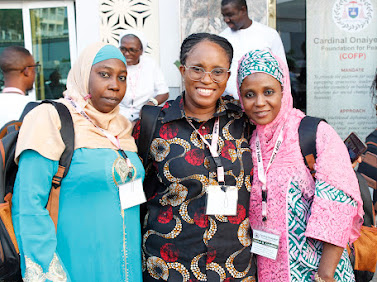
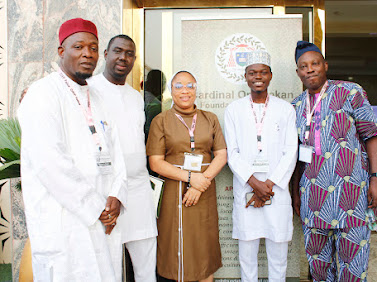
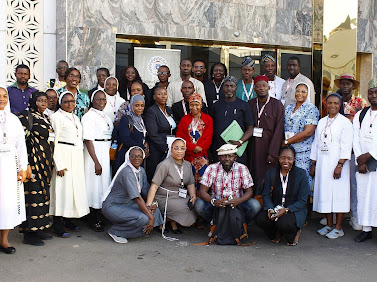
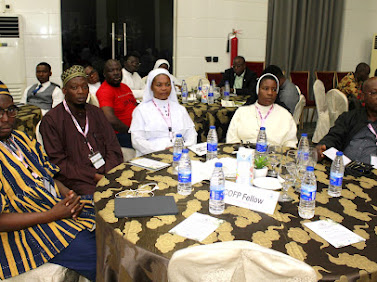
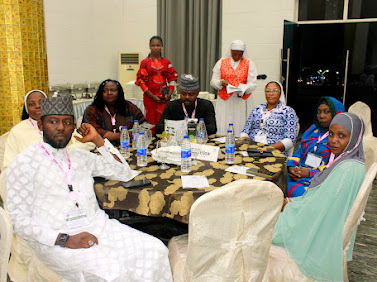
From an overwhelming 2,023 applications received in response to the call for applications, 35 selected fellows flew to Abuja, Nigeria, for the first module of the 2025/2026 COFP Fellowship in July 2025. It was an honour to host the 8th cohort of Fellows from West, Central, and East Africa. Conflict has always been a major challenge within the continent and as such, the need to promote peace in every way possible. In Albert Einsten’s words, ‘Peace cannot be kept by force; it can only be achieved by understanding.’ In essence, true peace can only be achieved when individuals, groups or nations understand each other’s perspectives, needs and concerns.
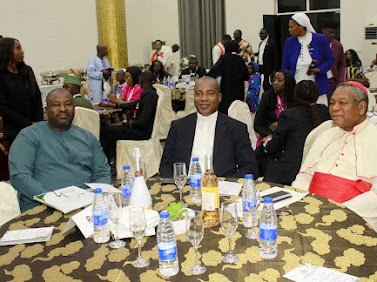
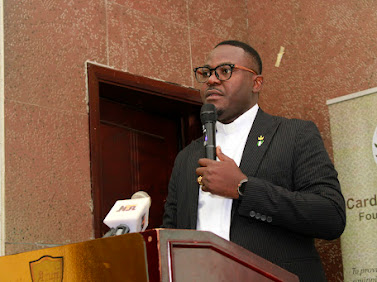
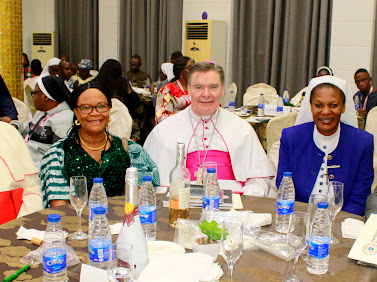
This is particularly why the COFP Foundation has given priority to inter-religious dialogue and conflict management education through its annual Fellowship program. The module one which commenced with opening dinner held in honour of the incoming Fellows on Monday, 28th July, hosted many dignitaries, including His Eminence John Cardinal Onaiyekan, Founder of the COFP; Pieter Leen Knegt, Belgian Ambassador to the Federal Republic of Nigeria; Hajiya Maryam Ibrahim, Co-chair of the Women of Faith Peacebuilding Network; Archbishop Michael Francis Crotty, the Apostolic Nuncio to Nigeria; and Pascale Deu Wesambia, representative of the Embassy of the Democratic Republic of Congo, among others. Seasoned practitioners and
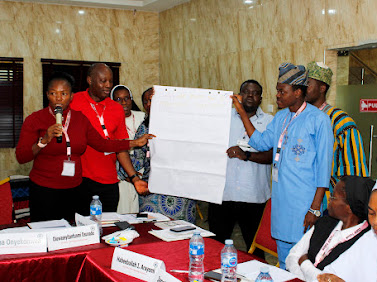
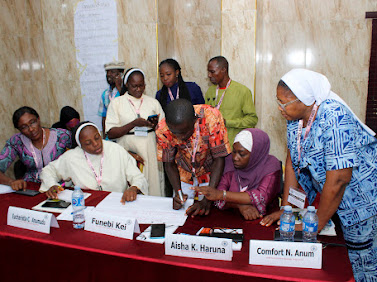
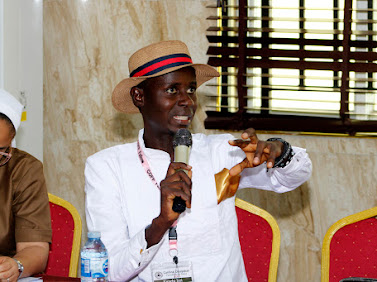
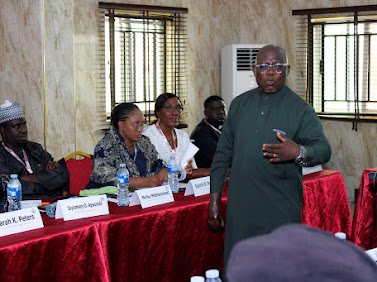
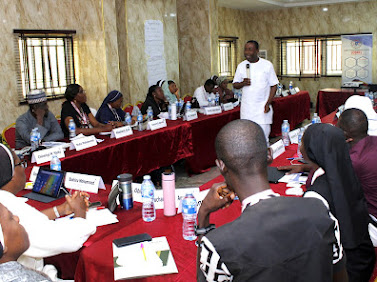
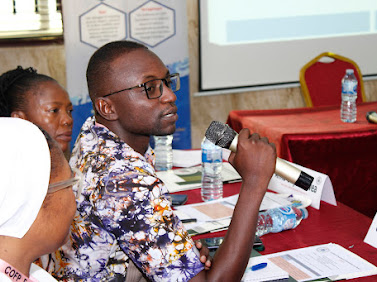
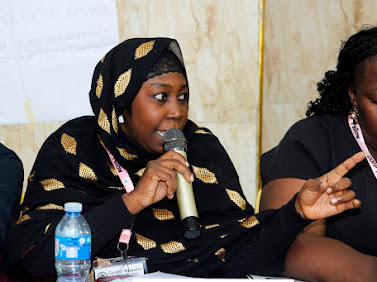
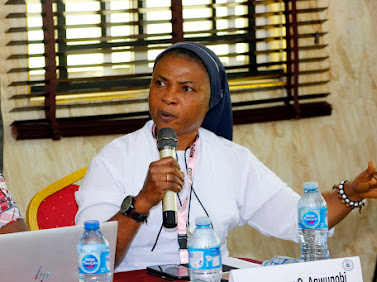
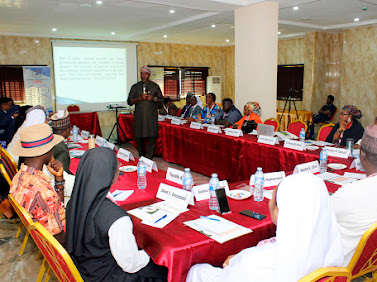
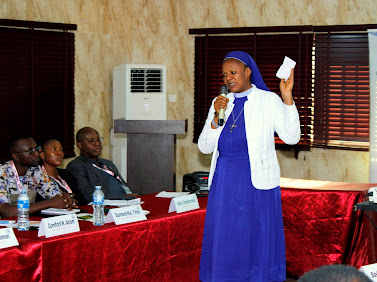
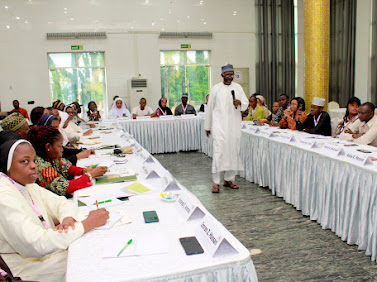
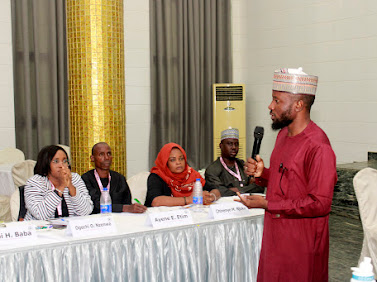
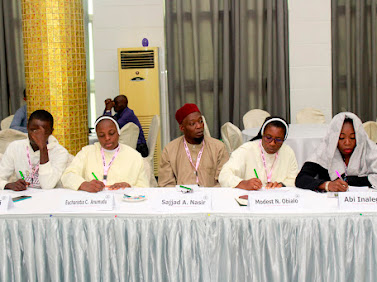
academic professionals from top-ranking institutions across Nigeria were present on all lecture days to educate the Fellows and inspire a shift in their thought patterns and mindsets. Fundamentals of key religions in Nigeria, Comparative religious study and basic understanding of interreligious dialogue were the focuse of this module. Other profound parts of the one-week module one Fellowship program that run through the week of July 27-August 3rd 2025 were Fellowship lectures, breakout discussions/interactive sessions, oral interviews where Fellows had the opportunity to express themselves and share from one another’s wealth of knowledge took center stage of the Fellowship.
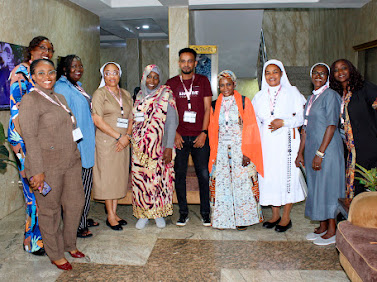
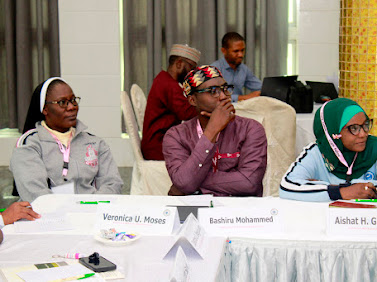
Meanwhile, from Sunday, 23rd to Sunday, 30th November 2025, the Radiance Spring Hotel in Abuja came alive as young peacebuilders from across Africa gathered for a week of learning, dialogue, and shared reflection on peaceful coexistence. The second module of the Cardinal Onaiyekan Foundation for Peace (COFP) Fellowship Program for the 2025 fellowship year convened thirty-four (34) Fellows from diverse professional, cultural, and religious backgrounds, including participants from Nigeria, Cameroon, Somalia, Ghana, Liberia, Ethiopia, and Zambia, for another intensive journey of learning, reflection and growth. Building on the foundations laid during the first module, the week was designed to deepen participants’ understanding of conflict, strengthen their capacity for dialogue across differences, and equip them with practical skills for mediation and peacebuilding in their respective communities.
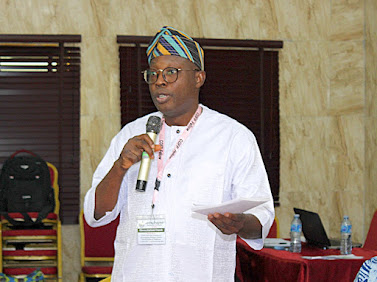
As the module two progressed, attention turned to dialogue as a powerful tool for peacebuilding, particularly within interreligious contexts. Fellows examined how religion, often perceived as a source of division, can instead serve as a bridge for understanding and cooperation when approached with respect and openness. Through discussions and shared experiences, participants reflected on the importance of listening, empathy, and mutual respect in fostering peaceful coexistence among people of different faiths. Conversations on fanaticism and terrorism further challenged fellows to confront some of the most pressing threats to peace and security in contemporary society. The sessions encouraged critical reflection on the root causes of extremism and the role of policies, education, and grassroots engagement in promoting social change. Fellows were urged to think beyond reactive responses and to consider long-term, community-driven strategies that address underlying grievances and promote inclusive development.
Undoubtedly, the Module 1 & 2 Fellowship experience did not only deepen the Fellows’ knowledge of religions, conflict transformation and interreligious dialogue but also nurtured personal growth, mutual respect and a strong sense of responsibility toward peacebuilding. Equipped with new skills, strengthened networks, and inspired by real-life stories of reconciliation, Fellows left for home better prepared to practically contribute meaningfully to peace, dialogue, and social cohesion within their communities and beyond.